Winning the 90-Day Sprint: Multilingual Employee Retention Strategies
By Mercier Team
Winning the 90-Day Sprint: Multilingual Employee Retention Strategies
In the high-stakes world of European customer experience (CX), the first 90 days are not just a probationary period; they are the most critical window for determining the lifetime value of a hire. For firms sourcing multilingual talent across borders, the cost of losing a representative before their first quarter is astronomical, often exceeding half of their annual cost of employment when factoring in recruitment, training, and lost productivity. Mastering employee retention strategies that focus on this initial phase is no longer optional—it is a business imperative.
The European Landscape: Why the First 90 Days Matter
Europe’s labor market remains fragmented and competitive. With the rise of nearshore hubs—such as Greece, Portugal, and Poland—companies are competing for a finite pool of polyglot professionals. When a hire leaves within three months, it indicates a failure in expectation management rather than a lack of skill. Data suggests that up to 30% of new hires in high-volume multilingual environments resign before completing their third month. This churn is often attributed to the 'onboarding gap'—where the culture promised during the recruitment phase vanishes once the candidate sits at their workstation.
Aligning Candidate Expectations with Reality
Effective employee retention strategies begin before the contract is even signed. Candidates who have relocated for a role often deal with the pressures of cultural adjustment, housing, and social isolation. If the onboarding process treats them merely as a resource, the isolation intensifies. Success requires a transition from 'onboarding' to 'cultural integration,' acknowledging the holistic needs of the international employee.
Phase 1: The Pre-Boarding Foundation (Days 0-30)
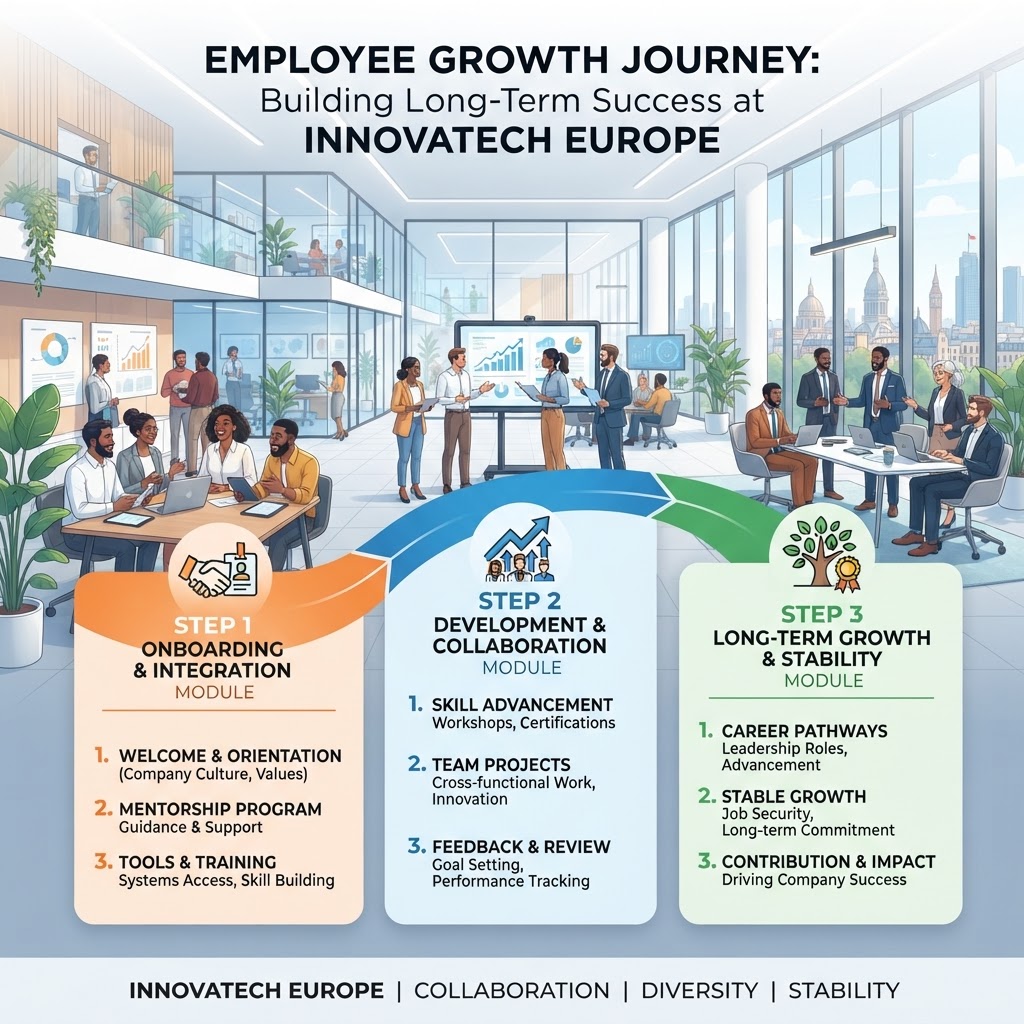
The first 30 days must be about stability and belonging. A common mistake is the 'firehose approach,' where new hires are overwhelmed with technical documentation and product specs in a foreign language. Instead, focus on psychological safety.
Creating a Buddy System for International Hires
Assign a peer mentor who speaks the hire’s native language or shares their cultural background. This mentor acts as a bridge, helping the new employee navigate not just the tools, but the nuances of the company’s internal communication style. Research shows that employees with a dedicated workplace buddy reach full productivity 20% faster than their peers.
Phase 2: Operational Competence and Autonomy (Days 31-60)
By the second month, the focus shifts to technical proficiency and feedback loops. In multilingual CX, quality assurance (QA) scores are often a source of anxiety. If a representative feels they are failing because of language nuances, they will disengage. Leaders must implement a supportive QA framework that prioritizes coaching over criticism.
Dynamic Feedback Loops as Core Employee Retention Strategies
Regular check-ins are essential. Managers should move away from annual reviews and toward weekly, 15-minute syncs that focus on two questions: 'What are you finding most difficult today?' and 'How can I clear the path for you?' This builds trust and gives the business actionable data on process bottlenecks.
Phase 3: Deepening Commitment (Days 61-90)
The final stage of the 90-day playbook is about future-proofing the employee’s career path. Even in CX roles, top-tier talent will churn if they feel the path is a dead end. This is where professional development—even for entry-level roles—becomes a powerful tool for retention.
Defining a Clear Career Trajectory
Whether it is moving into a senior agent role, a team lead position, or a specialized support function, showing a clear roadmap is crucial. In the European market, where language skills are often seen as the end-product, highlighting career mobility proves that the company values the person, not just the language they speak.
Strategic Outsourcing and Retention Synergies
Many firms outsource their multilingual CX to maintain efficiency. However, the best outsourcing partners treat retention as a collaborative metric. When selecting a partner or building an internal hub, ensure that the vendor’s employee retention strategies are aligned with your own. Outsourcing should not mean 'offloading' culture; it should mean 'exporting' your values to a new geography while maintaining the same standards of care for the staff.
Conclusion: Investing in Longevity
The 90-day threshold is the ultimate litmus test for your company culture. By prioritizing a structured onboarding experience, providing intentional mentorship, and validating the employee’s career growth, you transform your recruitment funnel from a leaky bucket into a sustainable engine for growth. The business value of keeping a representative for an additional 12 months is substantial, not only in reduced recruitment spend but in the cumulative institutional knowledge that directly impacts customer satisfaction and, ultimately, the bottom line.