Strategic Talent Acquisition in 2026: Recruitment Trends
By Mercier Team
Strategic Talent Acquisition in 2026: Building Competitive Advantage through Effective Hiring
As we move closer to 2026, the recruitment landscape across Europe is witnessing transformative changes that call for innovative recruitment strategies. In today's fast-paced business environment, organizations must learn to leverage effective hiring practices as a means of gaining a competitive edge.
Understanding Current Recruitment Trends
The European recruitment industry continues to adapt to the shifting demands of the labor market. According to the European Commission, approximately 40% of employers report difficulty in finding individuals with the right skills. With ongoing digital transformation and an ever-evolving economic landscape, the need for effective talent acquisition strategies has never been more critical.
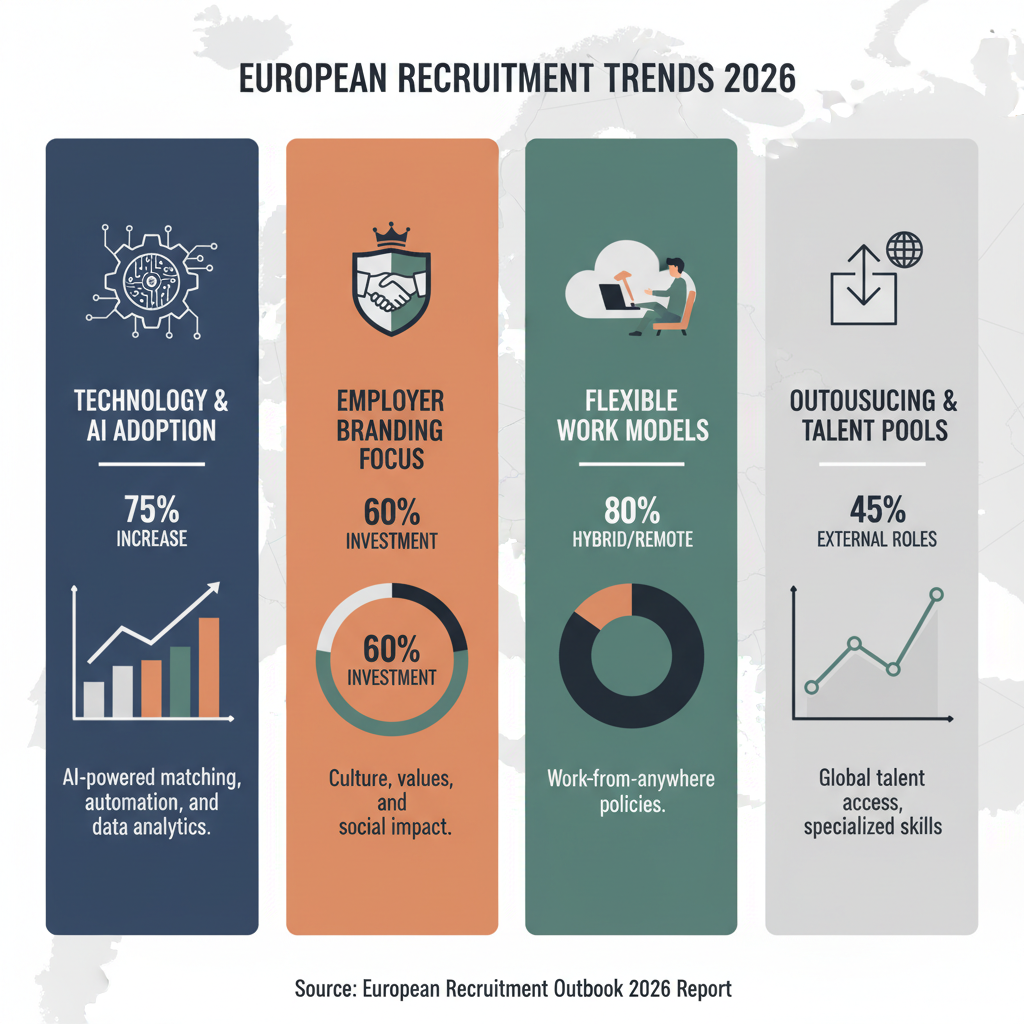
1. Emphasis on Technology in Recruitment
In 2026, technology will play a central role in recruitment. AI-driven tools and applicant tracking systems (ATS) are enabling companies to streamline their hiring processes and improve the candidate experience. According to recent surveys, over 70% of HR professionals believe that AI will significantly enhance recruitment workflows by automating repetitive tasks and allowing human resources to focus on strategic initiatives.
2. The Importance of Employer Branding
Employer branding will continue to be a pivotal part of leading staffing solutions. Organizations that successfully promote their culture, values, and employee perks are more attractive to top candidates. A strong brand not only improves the quality of hires but also reduces turnover. More than 75% of job seekers consider employer reputation before applying, indicating the necessity of integrating branding into recruitment strategies.
3. Flexible Work Environments
As remote working becomes more normalized, businesses must rethink their recruitment tactics. The flexibility of work arrangements is a significant deciding factor for many candidates. A study from Gallup found that 54% of employees would leave their current job for a more flexible position. HR leaders should focus on developing attractive remote work policies and communicating these benefits during the recruitment process.
Outsourcing: A Strategic Advantage in Hiring
Outsourcing certain HR functions can yield substantial outsourcing benefits, particularly in recruitment. By leveraging third-party providers, companies can tap into specialized expertise and expand their candidates' reach beyond geographical limitations. With the effects of Brexit and other political changes, outsourcing offers European firms a way to maintain access to a diverse candidate pool while reducing overhead costs.
Benefits of Outsourcing Recruitment
Some of the advantages to consider include:
- Cost-Effectiveness: Outsourcing recruitment can lead to significant savings on recruiting costs and admin burdens, allowing HR teams to redirect their focus on internal development and compliance.
- Scalability: Outsourcing provides the flexibility to scale recruiting efforts based on project needs, making it easier to ramp up staffing solutions during growth phases without permanent commitments.
Actionable Insights for HR Professionals and Business Leaders
To secure a competitive advantage through effective talent acquisition, consider the following:
- Invest in Technology: Embrace AI and analytics in your recruitment practices to tailor screening processes and improve decision-making accuracy.
- Enhance Your Employer Brand: Focus on clear communication of corporate values, benefits, and culture. Engaging your current employees as brand ambassadors can further strengthen your reputation.
- Adapt to Workforce Changes: Be flexible in work arrangements to cater to modern employees’ preferences, thereby increasing your attractiveness in the competitive landscape.
- Explore Outsourcing: Identify non-core functions in recruitment that can be outsourced to professionals to ensure efficiency and effectiveness.
Conclusion
Effective hiring is integral to ensuring business stability and expansion in 2026 and beyond. By aligning recruitment strategies with current industry trends and embracing the benefits of outsourcing, organizations can better position themselves for success. As the landscape continues to evolve, those ready to innovate their talent acquisition approaches will undoubtedly drive greater business value and competitive advantage.