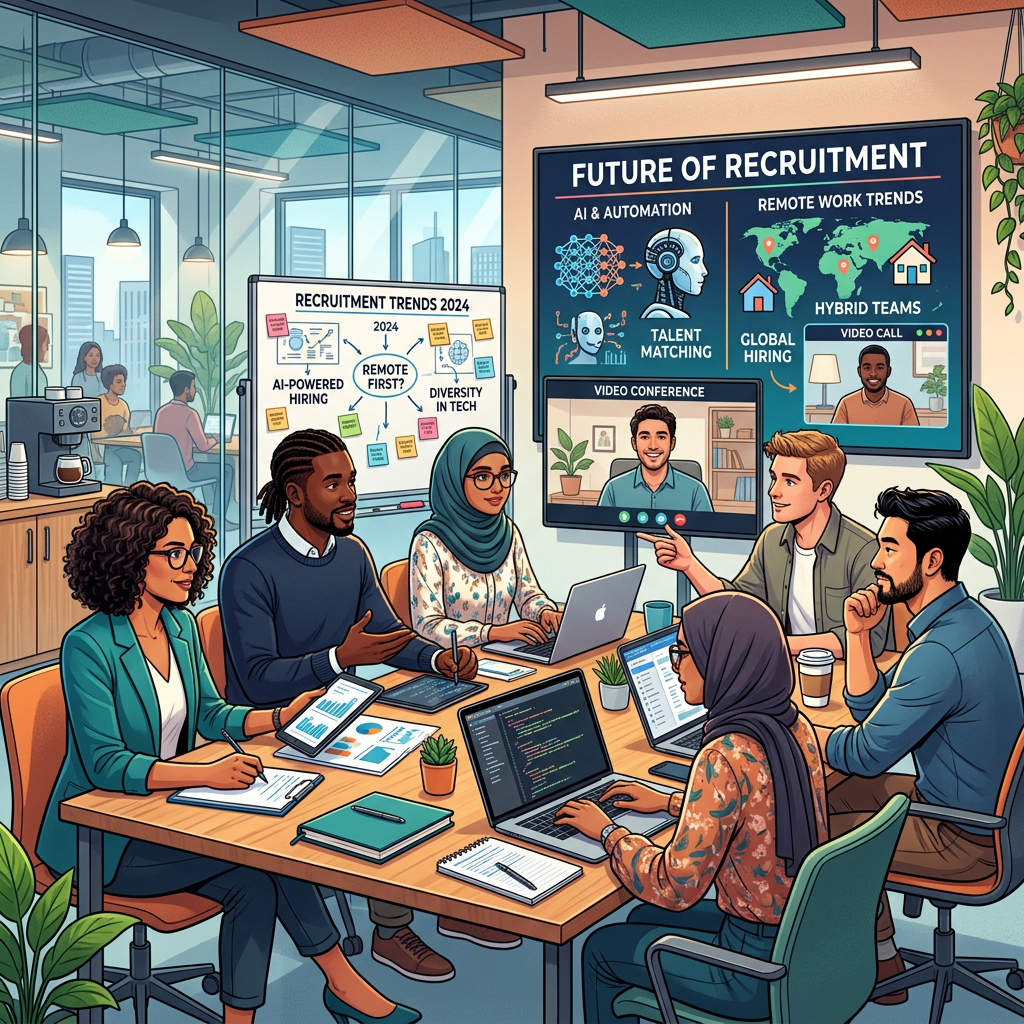
Strategic Talent Acquisition: Recruitment Trends for 2026
By Mercier Team
Strategic Talent Acquisition in 2026: Building Competitive Advantage Through Effective Hiring
The recruitment landscape is evolving quickly, and as we approach 2026, organizations must adapt their recruitment strategies to leverage emerging trends. The need for strategic talent acquisition has never been more critical, especially for businesses aiming to maintain a competitive edge in Europe’s dynamic market.
Understanding the European Recruitment Landscape
Europe presents a unique recruitment environment, shaped by diverse regulations, varying economic conditions, and a rich talent pool. According to the European Commission, the demand for skilled labor is projected to rise significantly, making talented individuals a prized asset. By developing effective hiring methodologies, organizations can manage their staffing solutions to address these challenges directly.
Key Recruitment Trends Shaping 2026
1. Emphasis on Diversity and Inclusion
Businesses recognized for their commitment to diversity outperform their peers by 35% in terms of returns, according to McKinsey. As employee demographics shift and the workforce becomes more global, organizations that cultivate diverse teams will not only be more innovative but will also draw from a broader range of ideas. Crafting recruitment strategies that prioritize diversity will be crucial for attracting a range of candidates, leading to stronger overall performance.
2. The Rise of Remote Work and Flexible Staffing Solutions
The COVID-19 pandemic accelerated the transition towards remote work, and experts forecast that this trend will sustain well into 2026. A study by the International Labour Organization found that 58% of European companies plan to maintain remote working strategies post-pandemic. This shift empowers businesses to tap into wider talent pools without geographical constraints, allowing for more flexible and effective staffing solutions.
3. Enhanced Use of Technology and AI in Recruitment
Artificial Intelligence (AI) and data analytics are increasingly pivotal in recruitment processes. AI tools can streamline candidate screening, predict candidate success, and even enhance candidate engagement. In fact, Deloitte reports a 50% reduction in time-to-hire for companies that utilize AI in their hiring processes. Integrating technology into recruitment not only improves efficiency but also enhances the candidate experience.
Outsourcing: A Strategic Approach to Recruitment
Outsourcing recruitment processes can vastly benefit companies aiming for growth through effective business expansion. By engaging recruitment process outsourcing (RPO) providers, organizations can leverage their expertise to create more efficient hiring pipelines. Companies that adopt this strategy often experience lower costs and increased quality of hire.
Consider a case study from a leading European tech firm that shifted its recruitment strategies by outsourcing to a specialized firm. Over two years, the company managed to reduce its recruitment costs by 30% while simultaneously improving candidate quality, resulting in a remarkable 20% increase in employee retention rates. Such examples underline the distinct advantages of outsourcing in the contemporary recruitment landscape.
Actionable Strategies for HR Professionals and Business Leaders
1. Invest in Employer Branding
To attract top talent in a competitive market, organizations must invest in their employer brand. This includes crafting compelling narratives about company culture, values, and career growth opportunities. By doing so, businesses can enhance their appeal to candidates who align with their values.
2. Leverage Employee Advocacy
Encourage current employees to become brand advocates. Their authentic testimonials about workplace experiences can resonate strongly with potential candidates, further enhancing the recruitment process.
3. Prioritize Candidate Experience
Streamline application processes and maintain regular communication with candidates throughout their journey. A positive candidate experience fosters goodwill and enhances the organization's reputation, making it easier to attract top talent in the future.
4. Foster Relationships with Educational Institutions
Building partnerships with universities and professional institutions can cultivate a pipeline of future talent. By engaging with students early, businesses can position themselves as employers of choice, ultimately benefiting their future recruitment strategies.
Conclusion
Strategic talent acquisition is essential for organizations aiming to thrive in an increasingly competitive European market. By understanding the current recruitment trends and implementing innovative strategies, HR professionals and business leaders can significantly enhance their recruitment effectiveness, build robust teams, and facilitate sustainable business growth.
As we advance towards 2026, prioritizing strategic hiring based on these insights will not only yield immediate benefits but also lay the foundation for long-term success in the talent acquisition landscape.