Closing the Talent Gap: Adapting to Skills Demands in Europe
By Mercier Team
Closing the Talent Gap: How Companies Are Adapting to Changing Skills Demands in Europe
The European talent landscape is undergoing a profound transformation. With rapid technological advancements, shifting workforce demographics, and evolving business requirements, many companies are now confronting what has been termed a "skills gap"—a disconnect between the skills that workers possess and those that employers seek. Addressing this gap is not only crucial for individual companies but is also vital for the overall economic health of the region.
Understanding the Skills Gap in Europe
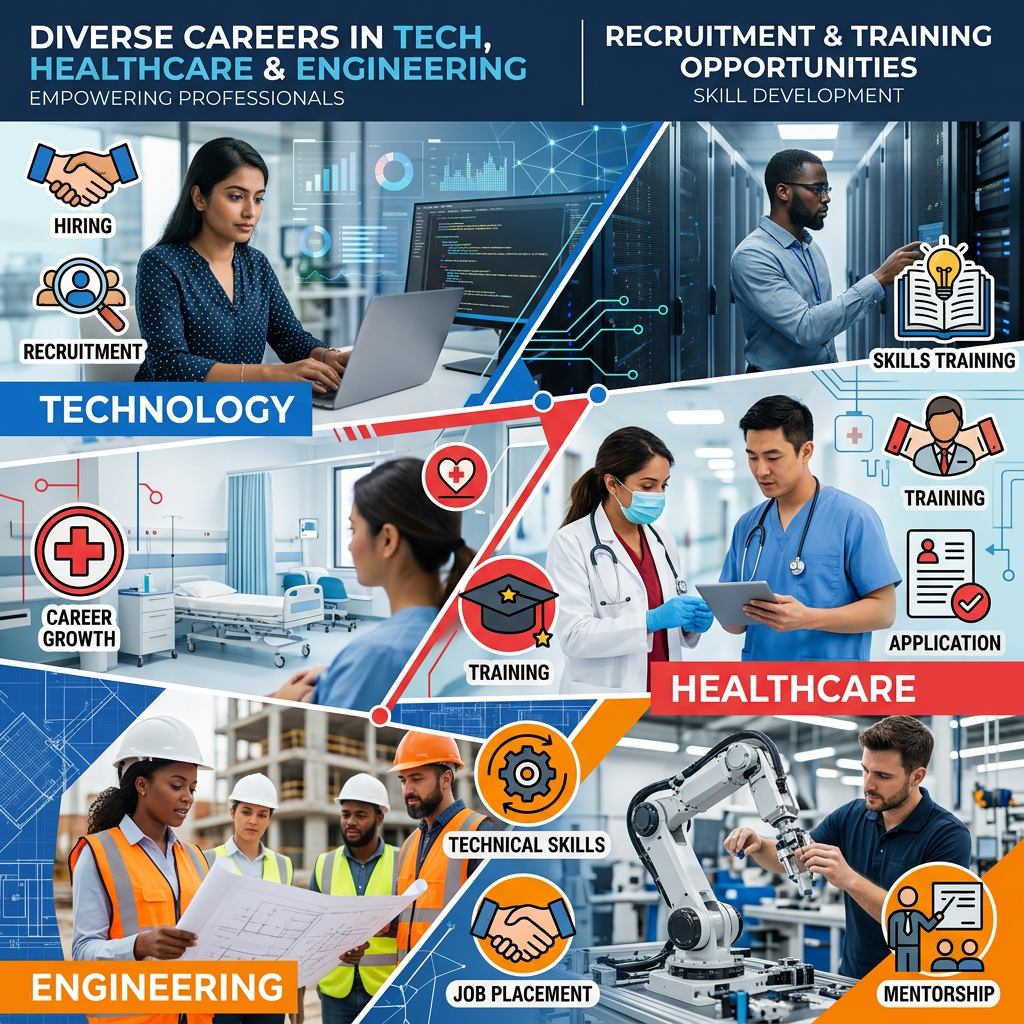
Studies indicate that nearly 40% of businesses in Europe report difficulties in finding candidates with the right skills. According to the European Centre for the Development of Vocational Training, sectors such as information technology, healthcare, and engineering are particularly affected, with a forecasted shortfall of 1.4 million skilled workers by 2025. This widening gap highlights an urgent need for companies to rethink their recruitment strategies.
Adapting Recruitment Strategies to Meet Skills Demands
Organizations must adopt innovative approaches to talent acquisition to remain competitive. Here are several strategies that businesses are implementing:
1. Emphasizing Upskilling and Reskilling
Many companies are investing in employee development initiatives. This approach not only helps in building a pipeline of skilled workers from within but also increases employee loyalty and engagement. For instance, companies that offer training programs see a 34% higher retention rate compared to those that do not. Cutting-edge firms are partnering with educational institutions to provide tailored training programs that align with specific industry needs.
2. Leveraging Technology for Talent Acquisition
With the rise of recruitment technology, companies are utilizing AI and data analytics to enhance their hiring processes. Automated screening tools can significantly improve the efficiency of sourcing candidates, while data-driven insights enable HR leaders to make informed decisions. Organizations adopting these technologies have reported reductions in hiring times by as much as 40%.
3. Expanding the Talent Pool Through Diversity
Inclusion and diversity have become pivotal in developing a comprehensive talent acquisition strategy. By broadening their focus to include underrepresented groups and non-traditional backgrounds, companies can access a larger and more diverse pool of candidates. A McKinsey report illustrates that organizations with more diverse teams outperform their peers by 35% in financial returns.
The Role of Outsourcing in Closing the Skills Gap
Outsourcing has emerged as a key strategy for addressing the skills gap in Europe. By leveraging specialized staffing solutions, businesses can tap into a broader network of skills and expertise without the constraints of local talent shortages.
1. Access to Global Talent
Outsourcing offers companies access to a global talent pool, allowing them to find workers with the specific skills they need, regardless of geographical limitations. This approach not only fills immediate staffing shortages but also enables long-term business expansion by positioning companies to operate effectively in new markets. Recent data shows that organizations utilizing outsourcing improve their operational efficiency and reduce overhead costs by up to 30%.
2. Flexibility and Scalability
Outsourcing provides businesses with the flexibility to scale their workforce according to project demands. This adaptability allows companies to respond quickly to changing market conditions and skills requirements. With the ability to bring in specialized expertise as needed, organizations can maintain competitive advantage while mitigating risks associated with talent shortages.
Actionable Insights for HR Professionals and Business Leaders
To navigate the current talent landscape effectively, HR leaders and business executives should consider the following actionable insights:
- Invest in Employee Development: Create programs for continuous learning and skill enhancement to prepare your workforce for future demands.
- Implement Data-Driven Recruitment: Use analytics to refine your hiring processes and reduce time to hire.
- Prioritize Diversity and Inclusion: Foster a diverse workforce, as it leads to innovation and business growth.
- Explore Outsourcing: Identify areas where outsourcing can supplement your existing workforce and provide access to specialized skills.
Conclusion
The skills gap in Europe presents a unique set of challenges and opportunities for businesses. By strategically adapting their recruitment strategies, leveraging outsourcing benefits, and prioritizing employee development, companies can successfully navigate the shifting demands of the workforce. Embracing these changes not only enhances individual organizational performance but contributes to the broader economic growth necessary for the region's success.