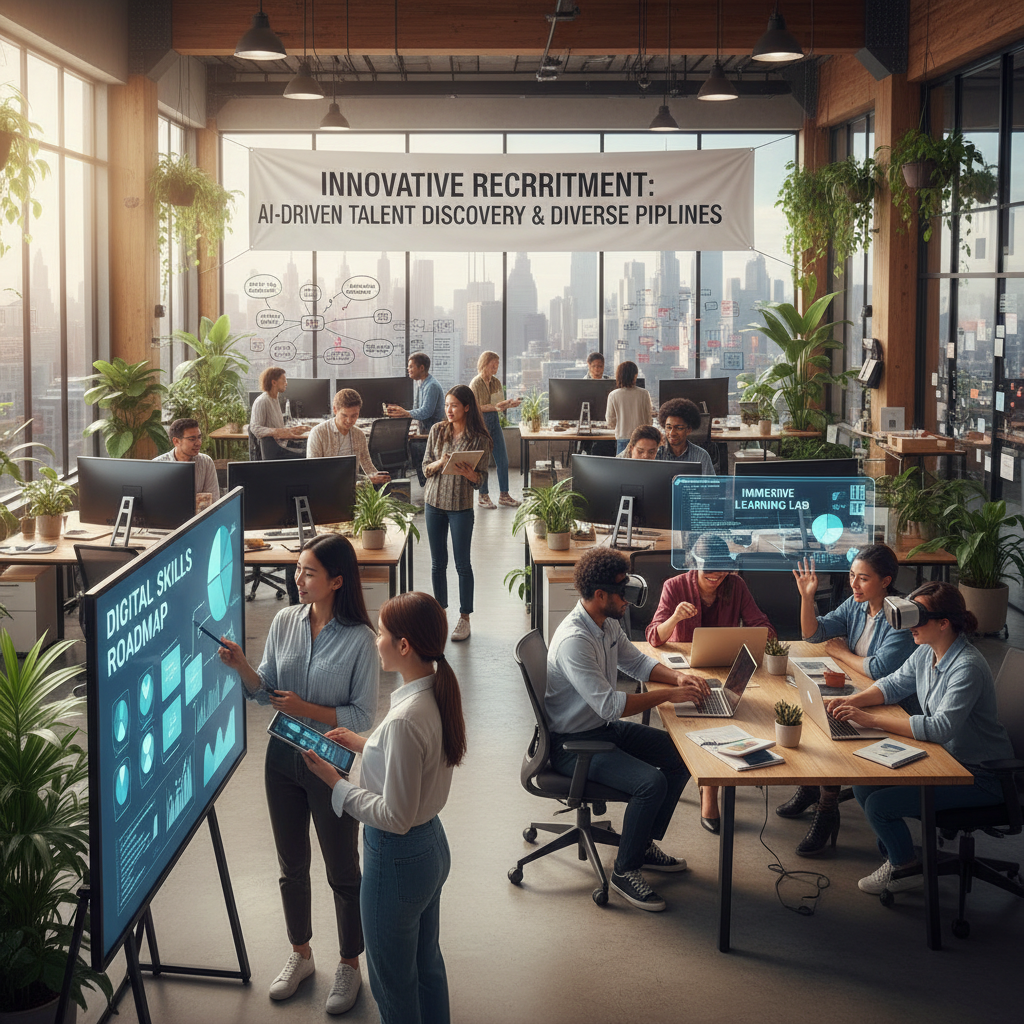
Closing the Talent Gap: Adapting Recruitment Strategies in Europe
By Mercier Team
Closing the Talent Gap: How Companies are Adapting to Changing Skills Demands in Europe
The skills gap in Europe has been a major challenge for businesses across various sectors, driven by rapid technological advancements and changing market needs. With a significant rise in digital skills demand, companies must re-evaluate their recruitment strategies to ensure they have the right talent to drive innovation and sustain growth.
The Skills Gap Landscape in Europe
According to a recent European Commission report, over 40% of employers reported difficulty in filling positions due to a shortage of candidates with the necessary skills. This gap not only hinders business expansion but also impacts overall economic growth. As industries pivot towards digital transformation, the urgency to close this talent gap intensifies.
A survey conducted by LinkedIn revealed that companies that fail to adapt their talent acquisition strategies could face a decline in productivity by up to 20%. To counteract this, organizations need to invest in future-oriented workforce planning and be proactive in bridging the skills divide.
Adapting Recruitment Strategies
To effectively tackle the skills gap, companies in Europe are increasingly embracing innovative staffing solutions. Below are several strategies organizations are implementing:
1. Upskilling and Reskilling Existing Staff
Many businesses are investing in the development of their current workforce through training programs aimed at upskilling and reskilling employees. Businesses like SAP have launched extensive learning initiatives to equip their teams with necessary digital competencies. This not only helps in retaining talent but also ensures that teams are adaptable to evolving industry demands.
2. Collaboration with Educational Institutions
Partnerships with universities and training providers have become crucial. Companies are collaborating with educational institutions to align curricula with market needs, thereby producing job-ready graduates. A notable example is the collaboration between tech firms and universities in Germany to create specialized courses focused on coding and data analysis.
3. Leveraging Technology in Recruitment
Technology plays a pivotal role in modern recruitment strategies. Using advanced recruitment software and AI-driven tools, companies can streamline the hiring process, making it more efficient and targeted. Data analytics can help employers identify skill shortages and customize their recruitment strategies accordingly.
The Outsourcing Benefits
In addition to revamping in-house recruitment, European companies are increasingly looking toward outsourcing as a viable solution to mitigate the skills gap. The outsourcing benefits extend beyond cost savings; they allow organizations to access specialized skills flexibly.
Global Talent Pools
Outsourcing opens doors to diverse global talent pools. As per a McKinsey report, businesses that leverage outsourcing can enhance their operational efficiency by focusing on core competencies while entrusting tasks that require specialized skill sets to external providers. This strategic delegation not only addresses immediate talent shortages but also fosters innovation through diverse perspectives.
Increased Agility and Flexibility
Outsourcing enables companies to quickly scale their operations according to market demands without the long-term commitment of hiring. This flexibility is particularly vital in industries experiencing rapid shifts, allowing organizations to respond to opportunities or challenges swiftly.
Future Trends and Strategic Recommendations
As the recruitment landscape continues to evolve, HR professionals and business leaders must remain vigilant and adaptive. Here are some strategic recommendations to further close the talent gap:
- Invest in Employee Wellbeing: Enhancing employee satisfaction through wellbeing programs can help retain top talent and encourage referrals.
- Enhance Employer Branding: Building a strong employer brand through social media and community engagement will make your organization attractive to potential candidates.
- Implement Continuous Feedback Loops: Regular feedback sessions help in aligning employee objectives with company goals, fostering a culture of continuous improvement.
- Explore Flexible Work Models: Flexible working arrangements can attract a broader range of candidates, including those from diverse backgrounds.
Conclusion
As companies in Europe navigate the challenges posed by the skills gap, adapting recruitment strategies and embracing outsourcing will be key to sustaining competitiveness. By investing in talent development, fostering educational partnerships, and leveraging technology, organizations can create a robust strategy to meet changing skills demands and drive future growth. The future of work is here, and it is time for companies to take bold steps towards comprehensive staffing solutions.